
A nature play space may look like a simple place for children to climb, balance, build, and explore—but creating one takes thoughtful design, skilled craftsmanship, and a deep understanding of how children learn through play.
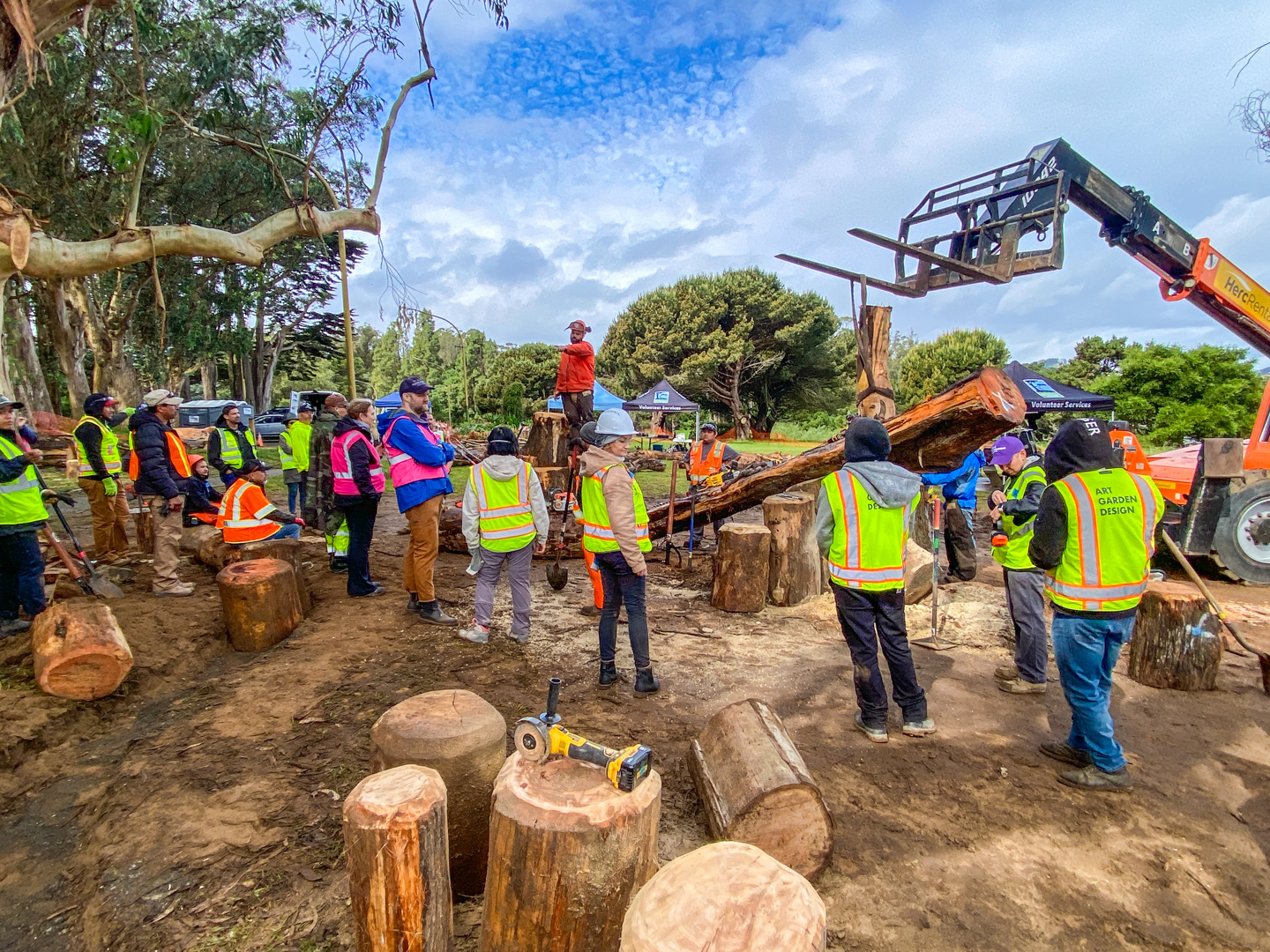
On a rainy weekend in April, 45 landscape designers and contractors from 15 organizations gathered at McLaren Park for a two-day design-build workshop. Through hands-on learning, participants built a Nature Exploration Area from the ground up.
Over the past nine years, San Francisco Children & Nature and its partners have created more than 15 Nature Exploration Areas and 35 early childhood outdoor play spaces across The City. As interest in nature play continues to grow, so does the need for designers and builders who understand both the craft and the philosophy behind nature play spaces.
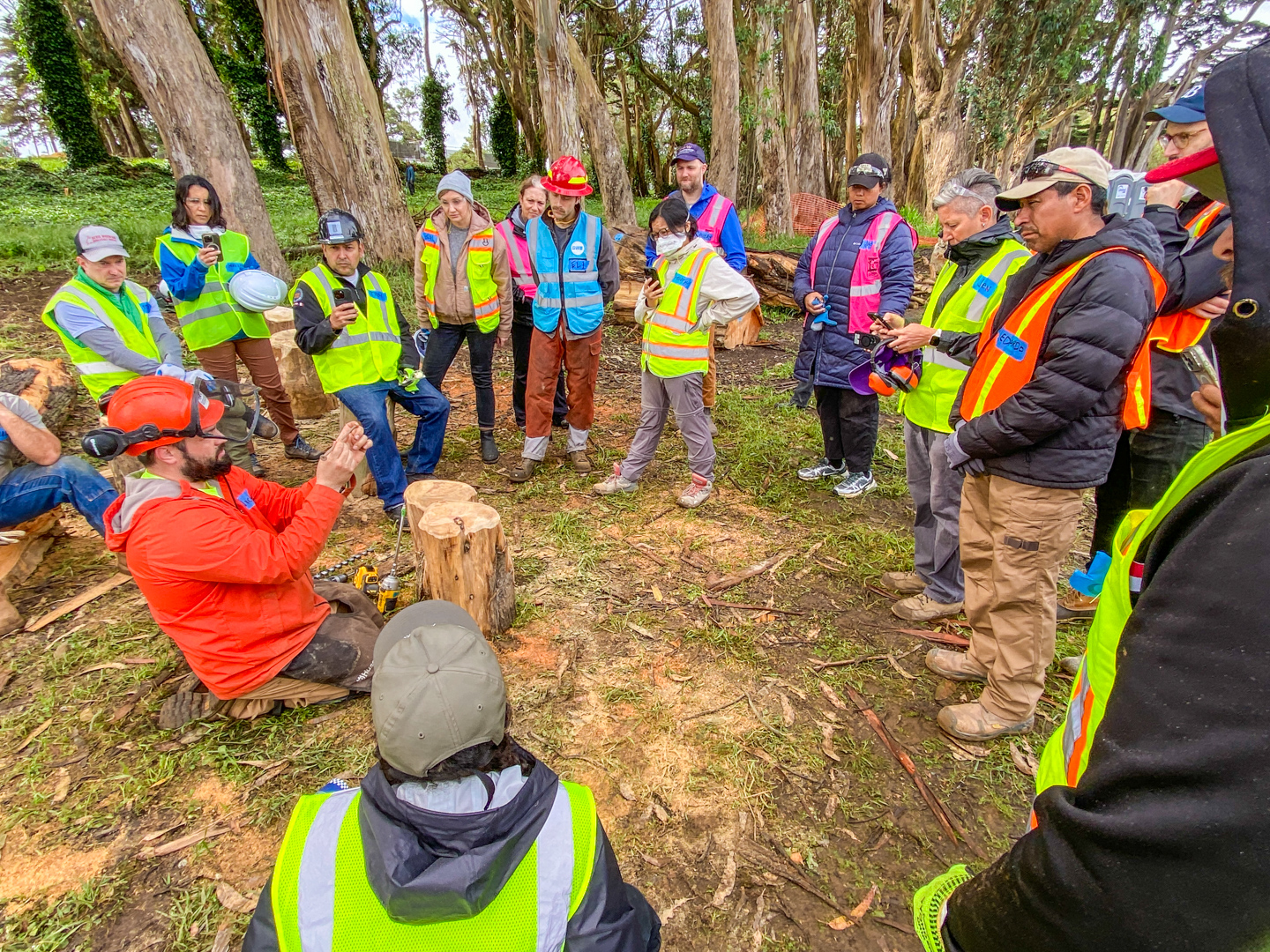
This workshop was designed to build that capacity to support the continued growth of nature play in early childhood sites, schools, and every neighborhood.
Learning Through Building
Participants worked alongside nature play expert Nick Moore of Rocky Mountain Woodworks learning techniques that bring natural play spaces to life.
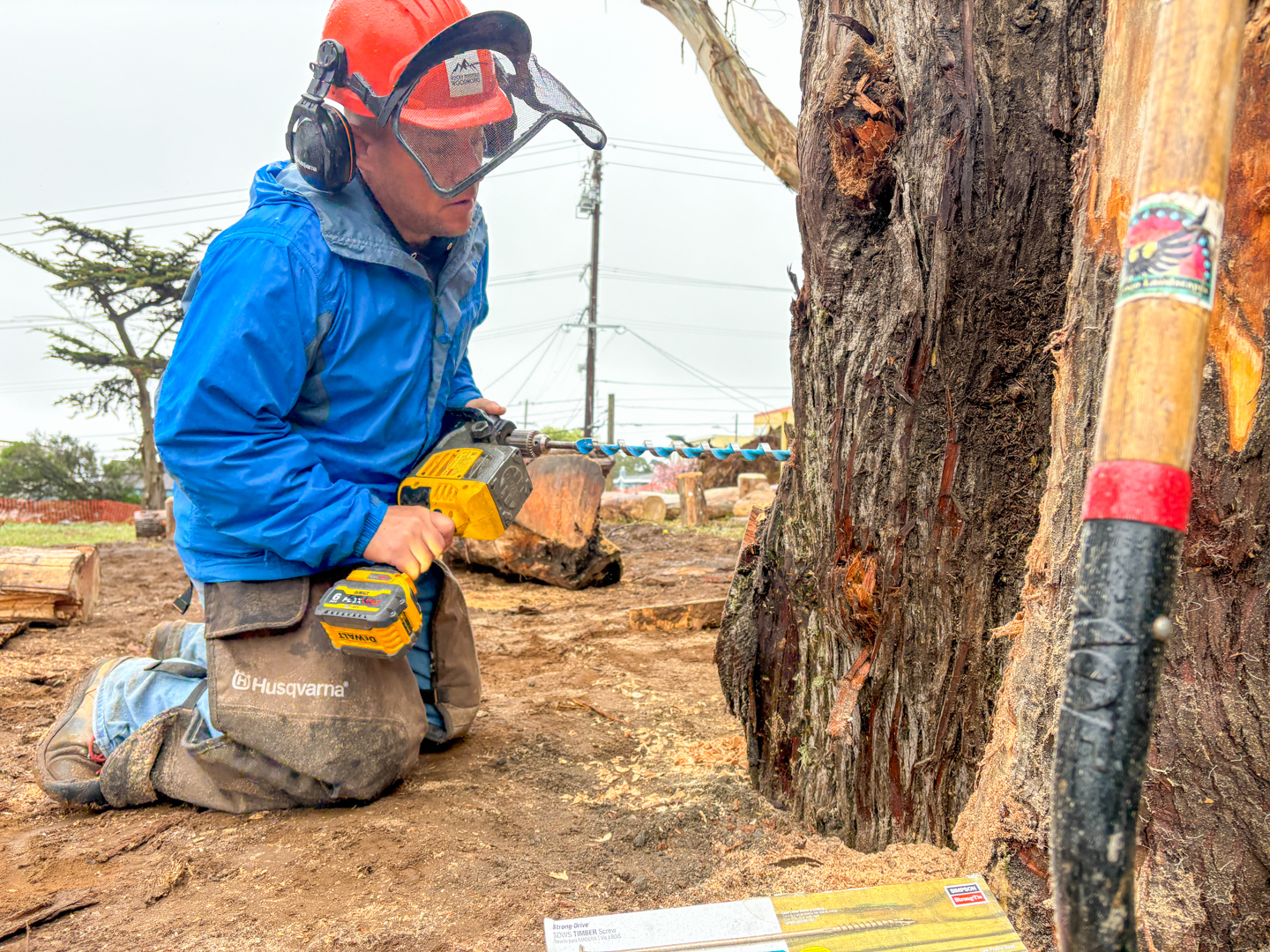
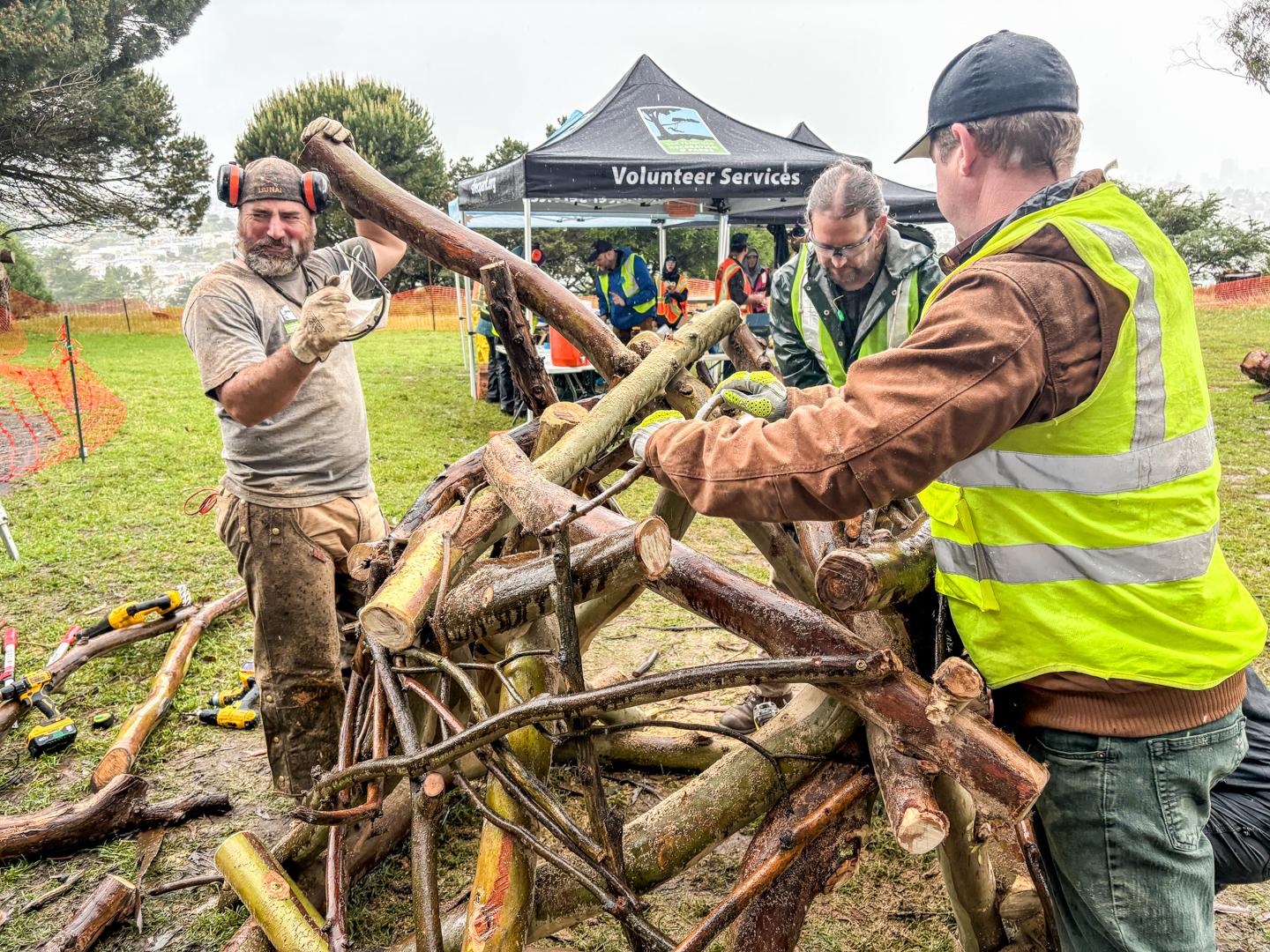
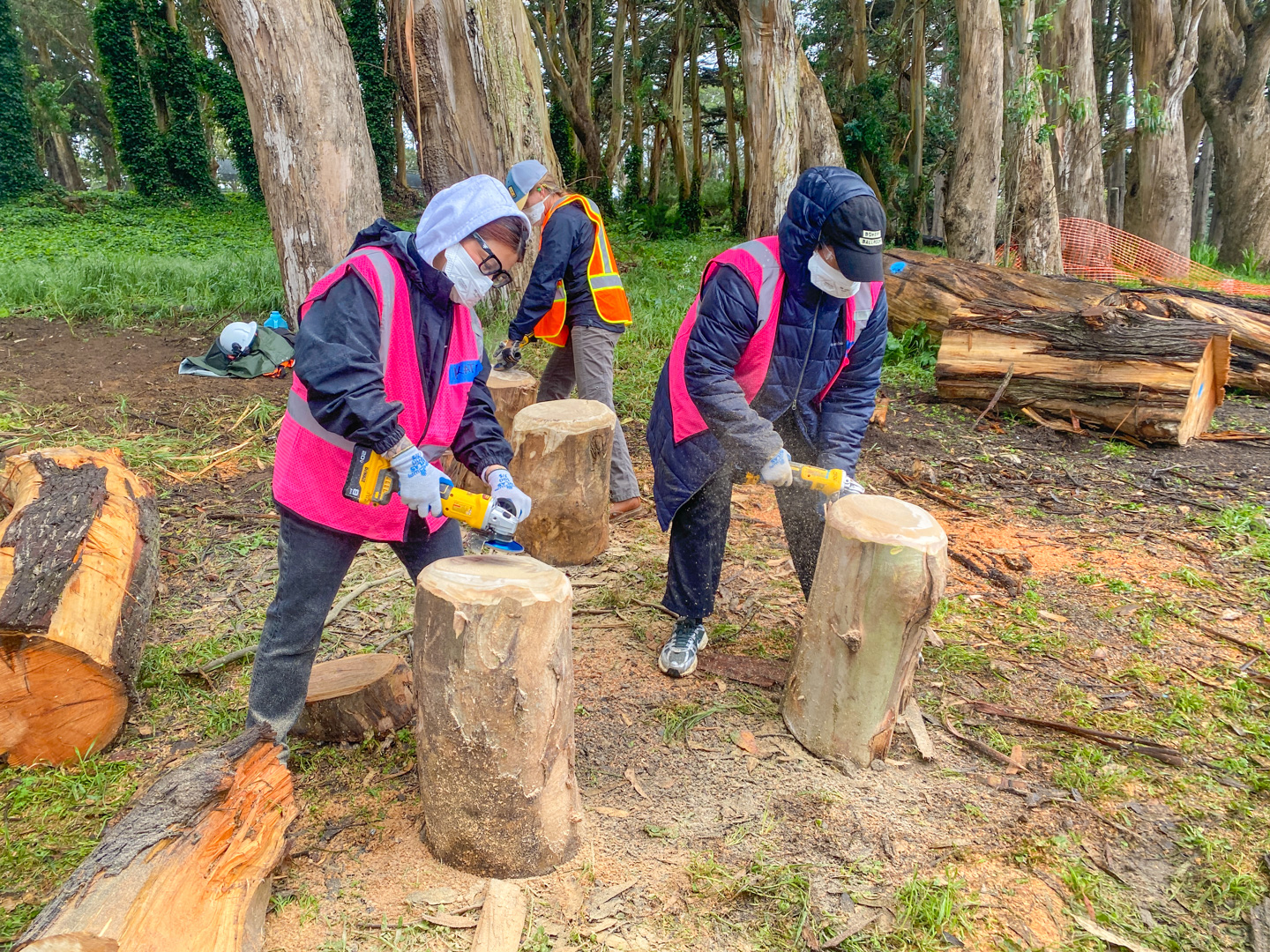
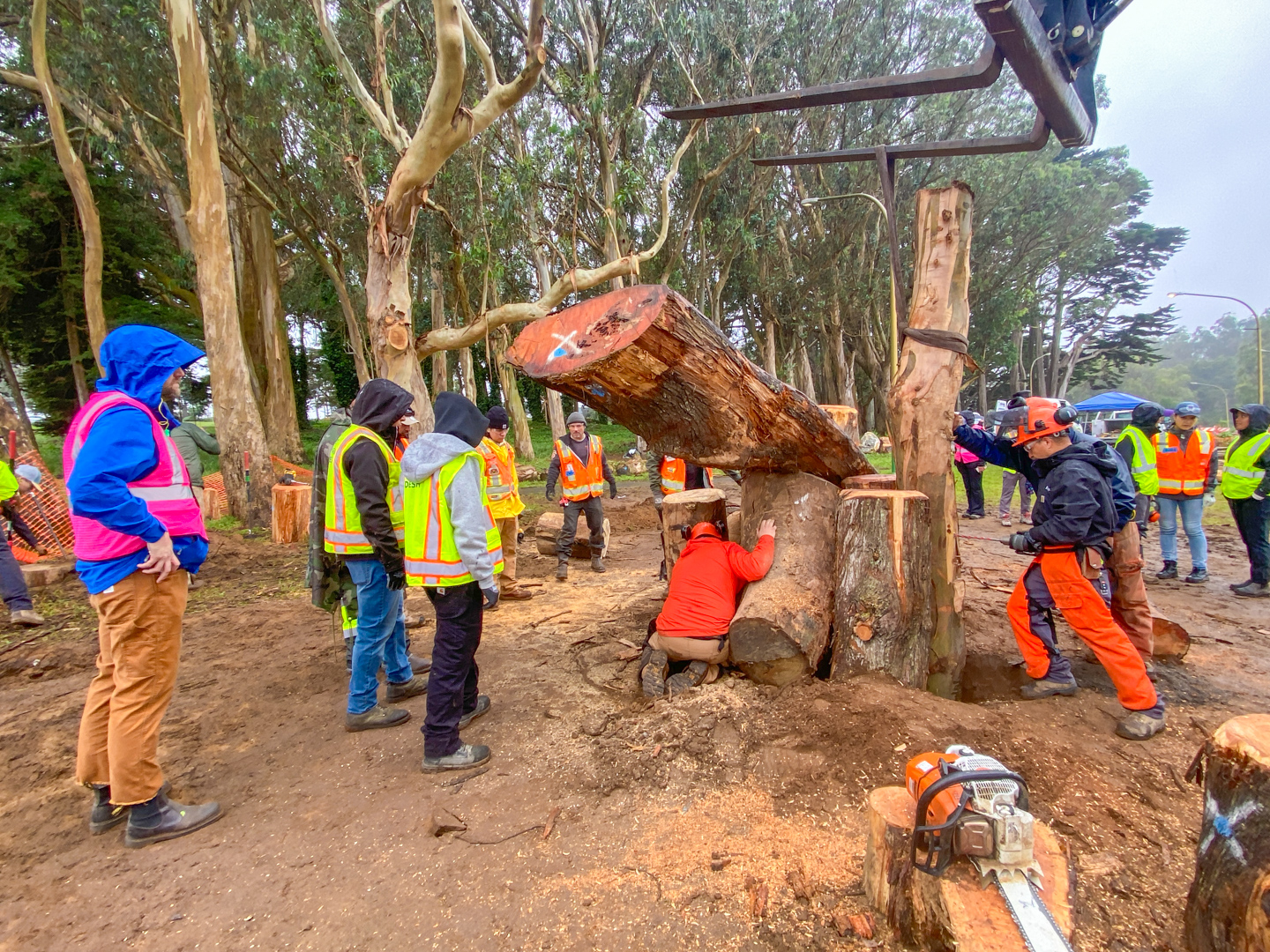
Brett Stephens and his team from San Francisco Landscapes played a pivotal role in bringing the project to life. From leading site preparation to completing the final build, they expertly coordinated tools, equipment, materials, and construction logistics while mentoring workshop participants throughout the process.
Designing for Discovery
Participants also explored the principles that guide nature play design: creating environments where children can make choices, solve problems, take on challenges, and develop a deeper connection with the natural world.
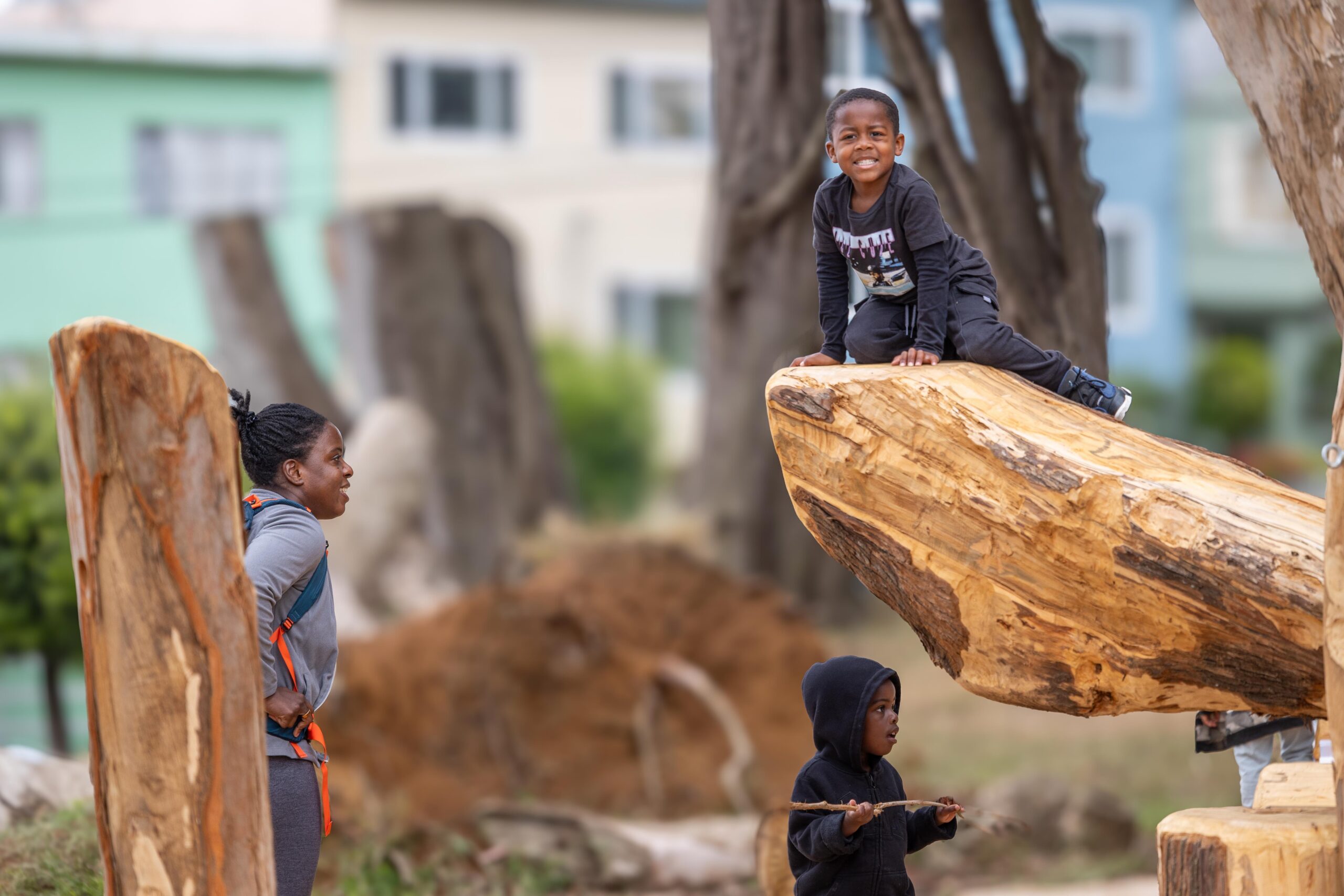
A central concept in nature play design is risky play—opportunities for children to experience manageable uncertainty, challenge, and excitement while testing their abilities and making their own decisions. Unlike hazards, which create unforeseen danger, risky play provides intentional challenges that help children build confidence, resilience, and an understanding of their own limits.

The McLaren Park Nature Exploration Area was designed around these principles, incorporating a continuous challenge loop that invites children to climb, balance, and move through the space without touching the ground. The experience culminates in an elevated lookout and jumping-off point with expansive views of San Francisco.
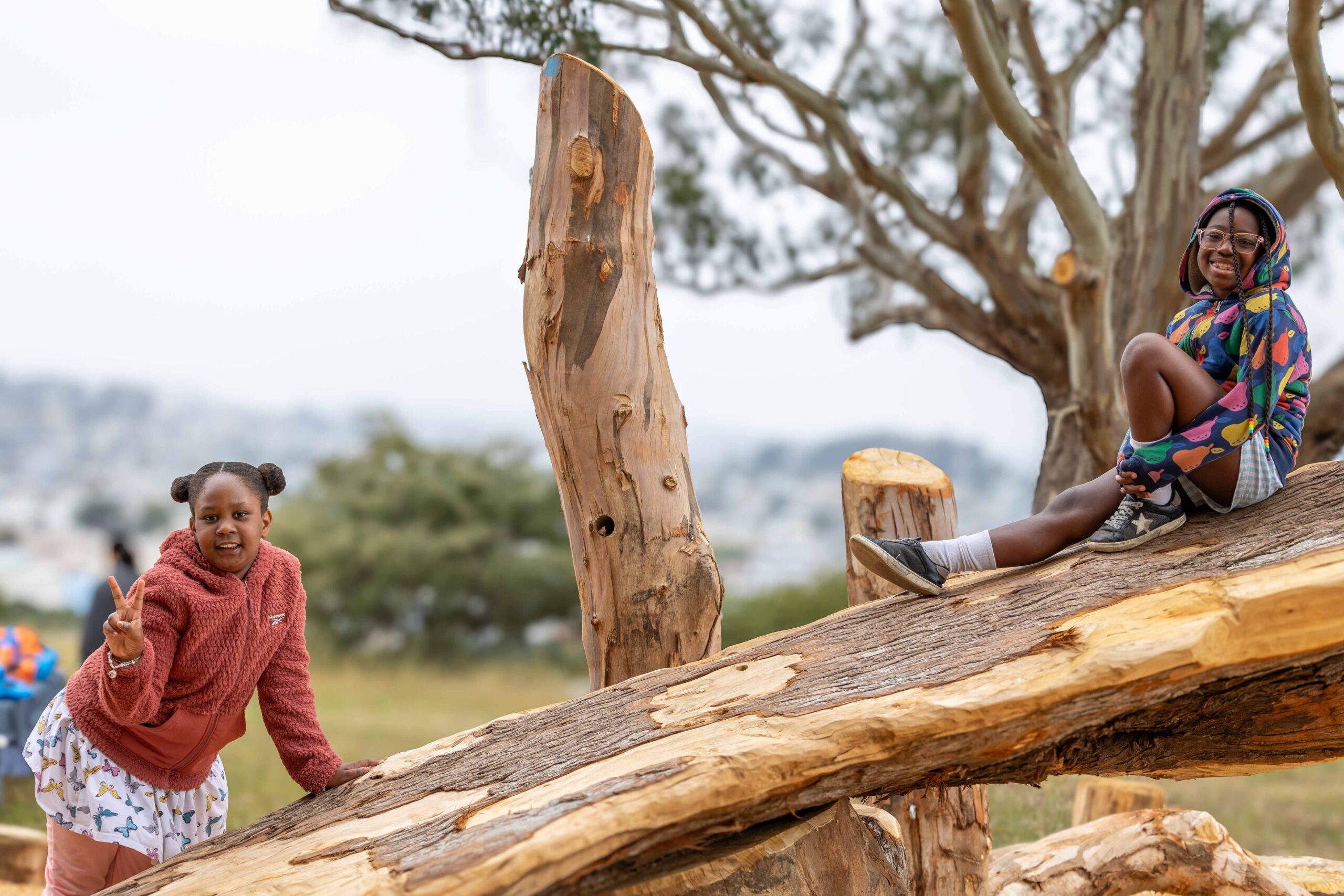
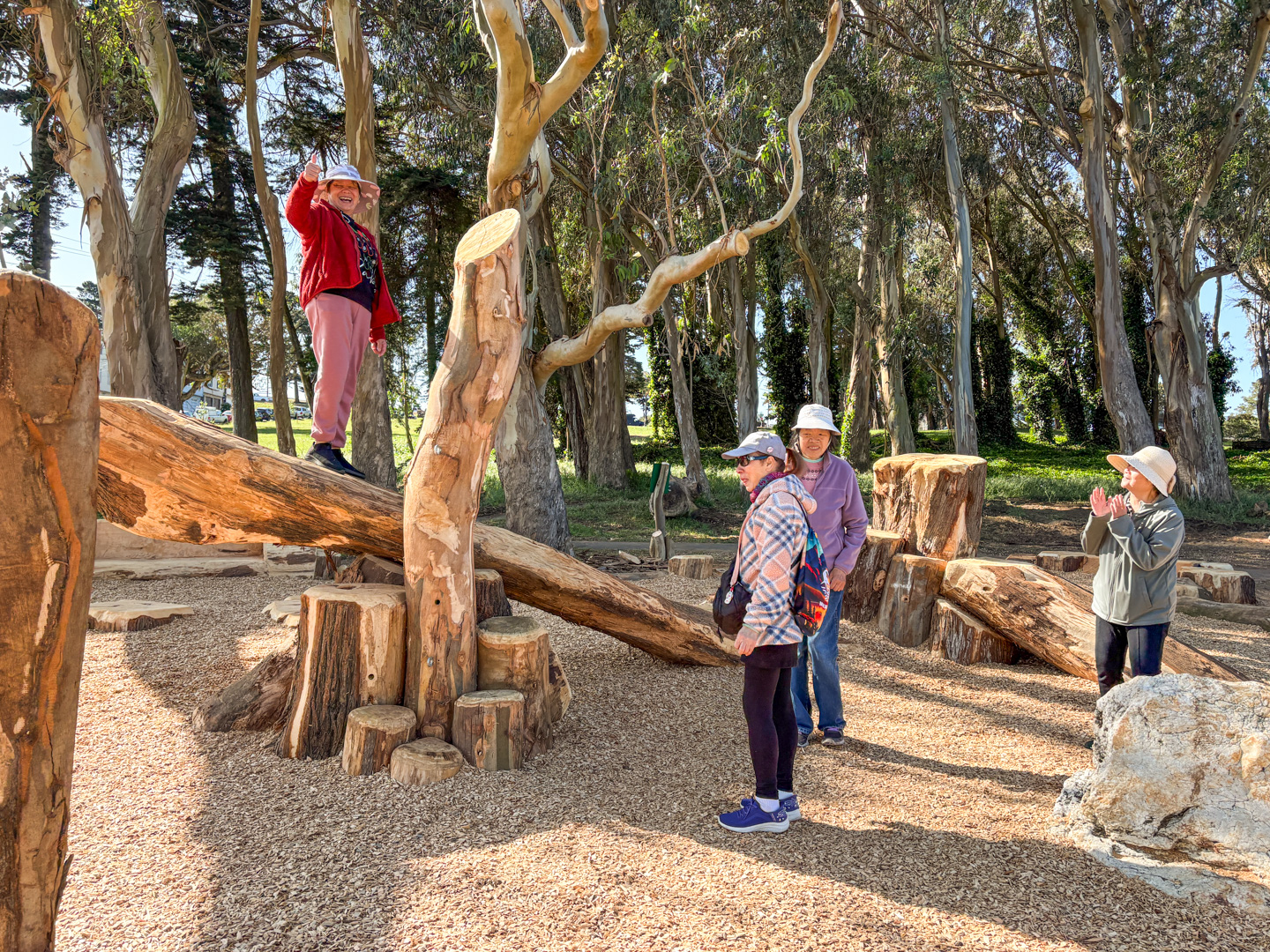
The design also considered kids of all ages and abilities by balancing active play opportunities with quieter spaces for resting, socializing, and connecting with nature.
Growing a Nature Play Movement
By the end of the weekend, participants had experienced the full process of creating a Nature Exploration Area—from concept development and site preparation to construction and finishing. They learned new skills, strengthened relationships across organizations, and developed a shared approach to designing nature play spaces.
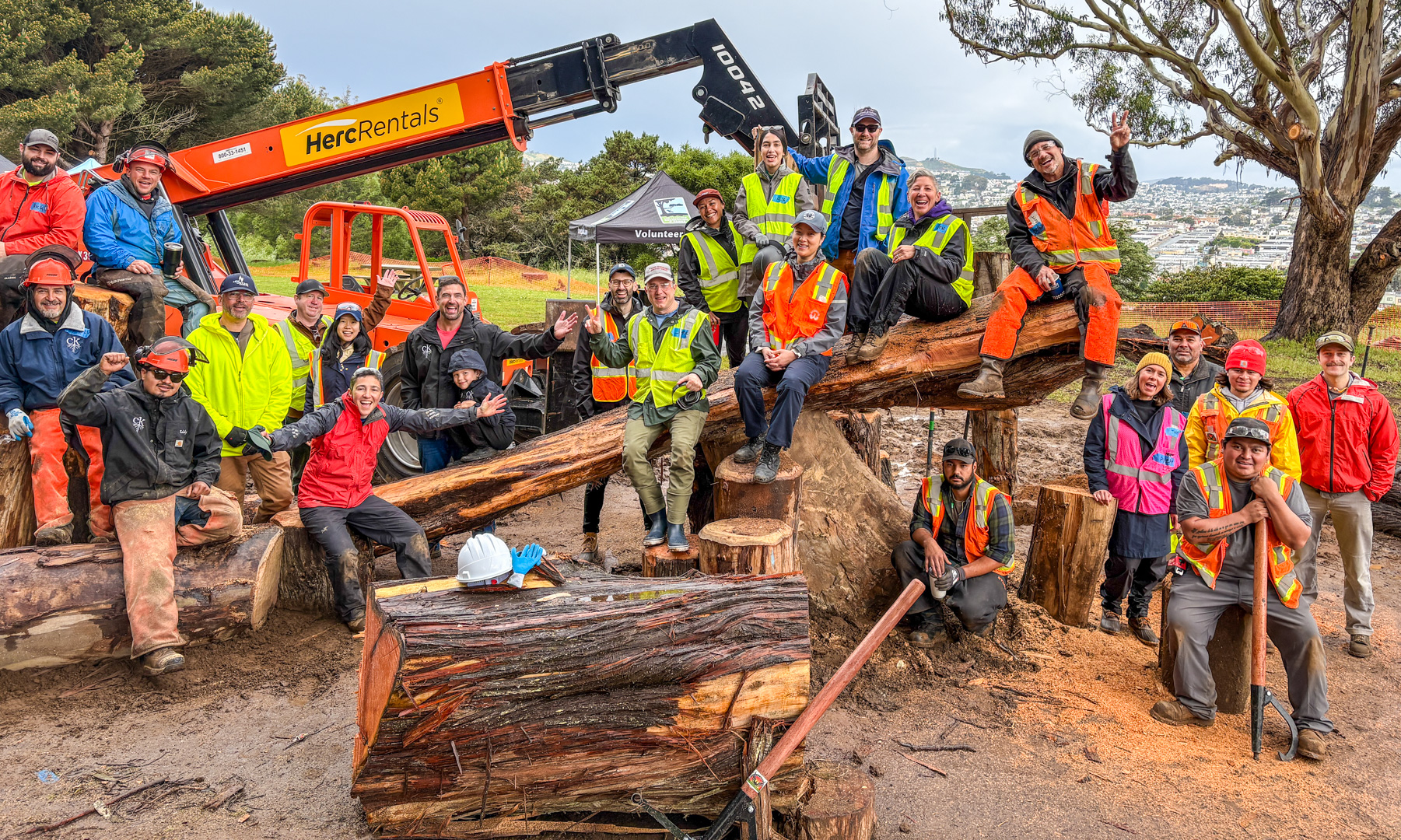
Many participants are now applying these skills in their own work to renovate early childhood outdoor learning environments and create nature-based installations in public spaces across the city.
Together, these efforts are helping grow a citywide movement for nature play—expanding opportunities for children to explore, imagine, and connect with nature throughout San Francisco.
This project was made possible through the partnership and collaboration of the Low Income Investment Fund, Department of Early Childhood, SF Recreation & Park, and SF Children & Nature, with generous support from the High Tide Foundation.
You can check out the Nature Exploration Area at McLaren Park by entering the park at the intersection of Olmstead and University Streets or navigating to this spot on the map.